
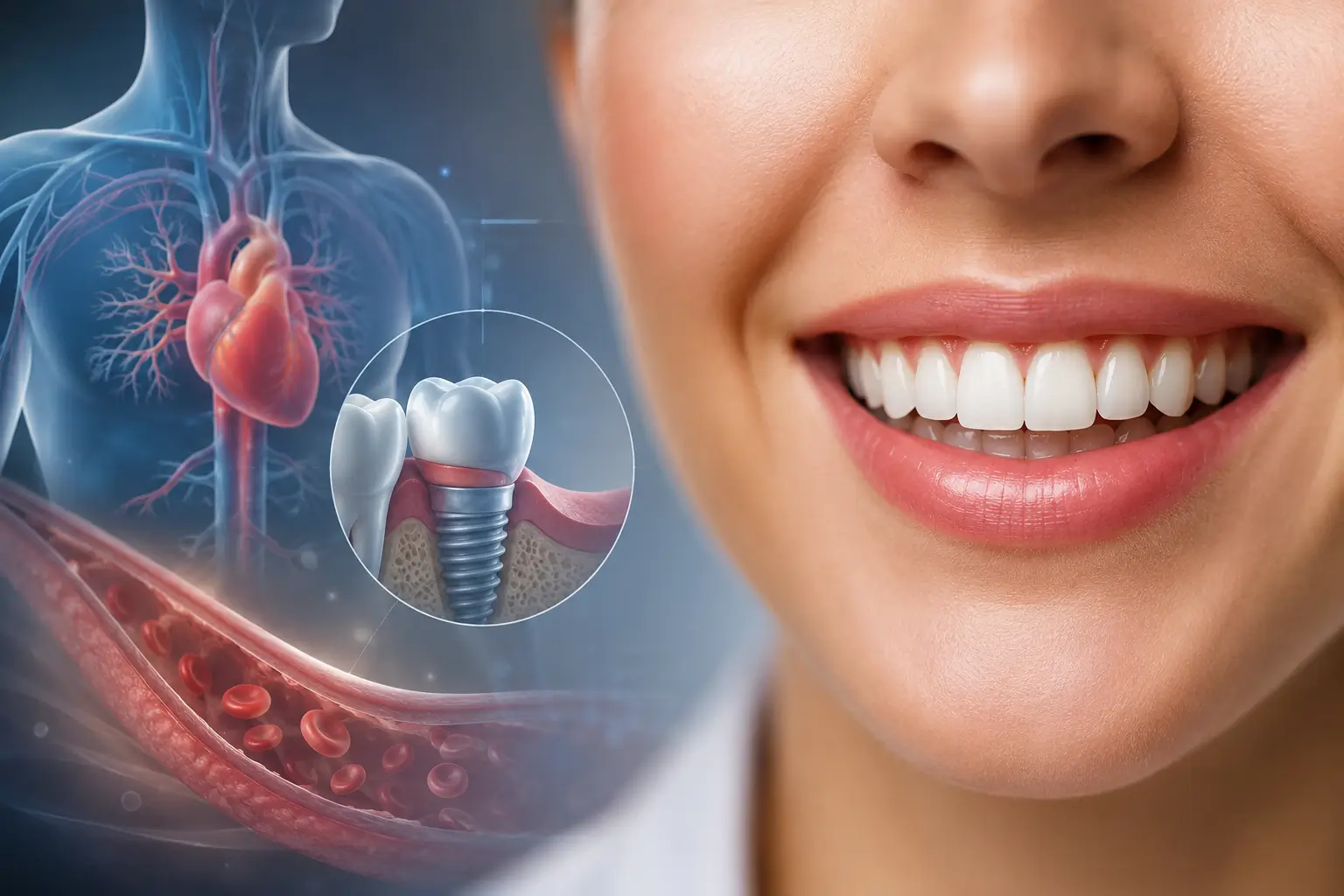
When most people think about oral health, they focus on keeping their teeth clean, preventing cavities, and maintaining a bright smile. While these are important benefits, your oral health plays a much larger role in your overall wellbeing than many realize. Research continues to show a strong connection between the health of your gums and teeth and the health of the rest of your body, particularly your heart, blood vessels, and ability to manage conditions such as diabetes. Maintaining a healthy mouth isn’t just about preserving your smile—it’s an important part of protecting your overall health.
Understanding the Oral-Systemic Connection
Your mouth serves as a gateway to the rest of your body. Every day, millions of bacteria live naturally in your mouth. When oral hygiene is maintained through regular brushing, flossing, and professional dental care, these bacteria are generally harmless. However, when plaque and tartar accumulate, harmful bacteria can thrive, leading to gum disease and inflammation.
The concern is that inflammation and bacteria from the mouth can enter the bloodstream and potentially affect other parts of the body. This relationship between oral health and overall health is known as the oral-systemic connection.
Gum Disease and Heart Health
One of the most studied oral-systemic connections involves cardiovascular health. Chronic gum disease, also known as periodontal disease, causes inflammation in the tissues surrounding the teeth. Scientists believe that this inflammation may contribute to inflammation throughout the body, including within blood vessels.
Individuals with gum disease may have a higher risk of developing cardiovascular conditions such as:
- Heart disease
- Stroke
- Narrowed arteries
- High blood pressure complications
While gum disease does not directly cause heart disease, studies suggest that ongoing oral inflammation can be a contributing factor. Keeping your gums healthy may help reduce your overall inflammatory burden and support better cardiovascular health.
The Two-Way Relationship Between Diabetes and Oral Health
Diabetes and oral health are closely connected. People with diabetes often have a higher risk of developing gum disease because elevated blood sugar levels can make it more difficult for the body to fight infections.
At the same time, untreated gum disease can make it harder to control blood sugar levels. Chronic inflammation caused by periodontal disease may interfere with the body’s ability to use insulin effectively, creating a cycle that can worsen both conditions.
If you have diabetes, maintaining excellent oral hygiene and scheduling regular dental visits are essential parts of managing your overall health. Likewise, patients diagnosed with severe gum disease may benefit from discussing blood sugar screening with their healthcare provider.
Other Health Conditions Linked to Oral Health
The effects of poor oral health may extend beyond heart disease and diabetes. Research continues to explore links between oral inflammation and several other health concerns, including:
Respiratory Conditions
Bacteria from the mouth can sometimes be inhaled into the lungs, potentially contributing to respiratory infections, particularly in older adults and individuals with compromised immune systems.
Pregnancy Complications
Pregnant women with untreated gum disease may face a higher risk of certain complications. Maintaining healthy gums during pregnancy is an important part of prenatal care.
Chronic Inflammation
Inflammation is a common factor in many chronic diseases. Since gum disease is an inflammatory condition, controlling oral inflammation may support overall wellness and reduce stress on the body’s systems.
Warning Signs of Gum Disease
Many people don’t realize they have gum disease until it becomes more advanced. Common warning signs include:
- Red, swollen, or tender gums
- Bleeding when brushing or flossing
- Persistent bad breath
- Receding gums
- Loose teeth
- Sensitivity when chewing
If you notice any of these symptoms, seeking professional dental care promptly can help prevent further damage and protect both your oral and overall health.
Protecting Your Oral and Overall Health
The good news is that many oral health problems are preventable. Simple daily habits can make a significant difference:
- Brush your teeth twice daily with fluoride toothpaste
- Floss every day to remove plaque between teeth
- Maintain a balanced, healthy diet
- Limit sugary foods and beverages
- Avoid tobacco products
- Schedule regular dental checkups and cleanings
- Address dental concerns before they become serious problems
Regular professional examinations allow dental issues to be detected early, often before symptoms become severe. Preventive care remains one of the most effective ways to protect your smile and your health.
Your Smile Is a Reflection of Your Health
Your mouth is more than just a smile—it can provide important insights into your overall health. Healthy gums and teeth support your ability to eat, speak, and smile confidently, but they also play a role in reducing inflammation and supporting the health of your entire body.
At Cohen Dental Care, Dr. Behnam Cohen and our team are committed to helping patients achieve excellent oral health as part of a healthier lifestyle. Through preventive care, periodontal treatment, and personalized dental solutions, we help protect not only your smile but your overall wellbeing.
Ready to take the next step toward better oral health? Contact Cohen Dental Care today to schedule your comprehensive dental examination and professional cleaning.