
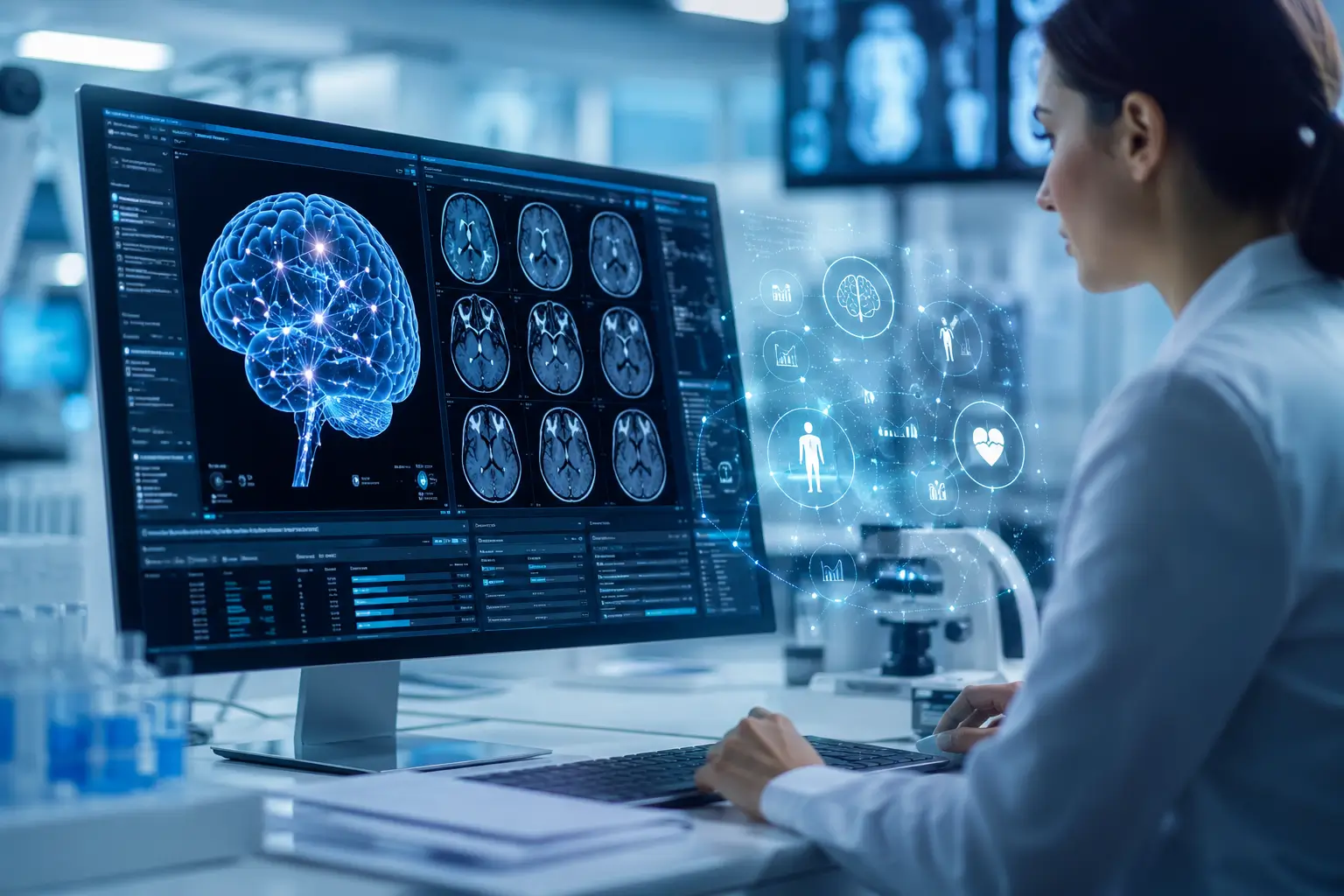
Artificial Intelligence (AI) is no longer a futuristic concept—it is becoming a vital part of modern healthcare. Combined with digital diagnostics, AI is helping healthcare providers detect diseases earlier, make more informed decisions, and deliver personalized patient care with greater confidence.
From dental clinics and medical practices to hospitals and specialty healthcare providers, AI-powered technologies are changing how diagnoses are made and how patients experience care.
In this article, we’ll explore how AI and digital diagnostics work together, their benefits, current applications, and what healthcare organizations should expect in the coming years.
What Are Digital Diagnostics?
Digital diagnostics use advanced technologies to collect, analyze, and interpret patient data. Unlike traditional diagnostic methods that rely solely on manual evaluation, digital systems combine imaging, software, cloud computing, and AI algorithms to provide faster and more accurate insights.
Examples include:
- Digital X-rays
- 3D imaging and CBCT scans
- Digital pathology
- AI-assisted radiology
- Intraoral scanners
- Wearable health monitoring devices
- Remote patient monitoring platforms
These technologies provide clinicians with detailed information while reducing the possibility of human error.
How Artificial Intelligence Enhances Digital Diagnostics
Artificial intelligence analyzes massive amounts of healthcare data within seconds. Machine learning algorithms continuously improve by learning from millions of medical images, patient records, and clinical outcomes.
Instead of replacing healthcare professionals, AI serves as a powerful decision-support tool by helping identify patterns that might otherwise be overlooked.
AI can:
- Detect abnormalities in medical images
- Identify early signs of disease
- Compare current scans with historical data
- Prioritize urgent cases
- Recommend additional diagnostic tests
- Predict patient risks based on historical information
The result is quicker, more consistent, and data-driven clinical decision-making.
Benefits of AI in Digital Diagnostics
1. Earlier Disease Detection
Early diagnosis significantly improves treatment outcomes.
AI systems can detect subtle changes in:
- Oral health
- Bone density
- Tumors
- Cardiovascular conditions
- Lung diseases
- Eye disorders
Earlier intervention often leads to less invasive treatments and better long-term patient outcomes.
2. Improved Diagnostic Accuracy
Even experienced clinicians can occasionally miss small abnormalities due to fatigue or complex imaging.
AI provides a second layer of analysis that highlights potential concerns, helping reduce diagnostic errors while increasing confidence.
Healthcare providers remain in full control of clinical decisions while benefiting from AI-assisted insights.
3. Faster Results
Traditional diagnostic workflows can take hours or even days.
AI dramatically reduces processing time by:
- Automatically analyzing images
- Flagging suspicious findings
- Organizing patient data
- Generating preliminary reports
This allows healthcare teams to spend more time caring for patients rather than reviewing repetitive information.
4. Better Patient Experience
Patients benefit from:
- Shorter appointment times
- Faster diagnoses
- Clearer treatment planning
- Improved communication using visual AI-generated reports
- More personalized care
Digital diagnostics also reduce the need for repeat imaging by producing higher-quality diagnostic data during the initial visit.
AI Applications Across Healthcare
Dentistry
Modern dental practices use AI for:
- Cavity detection
- Bone loss analysis
- Implant planning
- Orthodontic treatment planning
- Smile simulations
- Digital impressions
Combined with 3D scanners and CBCT imaging, AI helps dentists create highly precise treatment plans.
Radiology
Radiologists increasingly use AI to assist with:
- Chest X-rays
- CT scans
- MRI analysis
- Mammography
- Fracture detection
AI rapidly identifies areas requiring closer examination while improving workflow efficiency.
Dermatology
AI image recognition can assist in identifying suspicious skin lesions by comparing photographs against extensive databases of known conditions.
This supports earlier referrals and more accurate evaluations.
Cardiology
AI helps analyze:
- ECG readings
- Heart imaging
- Blood pressure trends
- Wearable device data
Predictive algorithms can identify patients at increased risk for cardiovascular disease before symptoms become severe.
Ophthalmology
AI-assisted retinal imaging has become an effective tool for detecting:
- Diabetic retinopathy
- Glaucoma
- Macular degeneration
Earlier diagnosis can help preserve vision through timely treatment.
Predictive Healthcare
One of AI’s greatest strengths is prediction.
Rather than only diagnosing existing conditions, AI can estimate future health risks based on patient history and ongoing monitoring.
Predictive analytics may identify patients who are likely to develop:
- Diabetes
- Heart disease
- Osteoporosis
- Oral health complications
- Chronic illnesses
Healthcare providers can then implement preventive care strategies earlier.
The Role of Cloud-Based Digital Platforms
Modern digital diagnostics depend heavily on cloud technology.
Cloud-based systems enable:
- Secure storage of patient records
- Collaboration between specialists
- Faster access to imaging
- Remote consultations
- AI-powered data processing
These platforms also simplify integration between diagnostic equipment and electronic health records (EHRs).
Challenges and Considerations
While AI offers tremendous opportunities, healthcare organizations should also address important considerations.
Data Privacy
Patient information must remain secure and comply with healthcare privacy regulations.
Strong cybersecurity practices are essential.
Human Oversight
AI should support—not replace—clinical expertise.
Healthcare professionals remain responsible for diagnosis, treatment planning, and patient communication.
Continuous Learning
AI systems require ongoing updates using high-quality clinical data to maintain accuracy and reduce potential bias.
Organizations should evaluate AI solutions carefully before implementation.
The Future of AI and Digital Diagnostics
Healthcare is moving toward increasingly intelligent diagnostic systems.
Emerging innovations include:
- Real-time AI-assisted imaging
- Personalized treatment recommendations
- Automated clinical documentation
- Digital twins for patient simulation
- Voice-enabled diagnostic assistants
- AI-powered telehealth platforms
As these technologies mature, healthcare providers will gain even more powerful tools to improve efficiency and patient outcomes.
Why Healthcare Providers Should Embrace AI
Practices that invest in AI and digital diagnostics today position themselves for long-term success.
Key advantages include:
- Greater diagnostic confidence
- Faster clinical workflows
- Improved patient satisfaction
- Better treatment planning
- Enhanced operational efficiency
- Increased competitiveness in a rapidly evolving healthcare market
When implemented thoughtfully, AI becomes a valuable partner that supports clinicians and improves the overall quality of care.
Final Thoughts
Artificial Intelligence and digital diagnostics are reshaping healthcare by making diagnosis faster, more accurate, and more personalized. From dental practices to hospitals, AI-powered technologies are helping clinicians make better decisions while improving the patient experience.
As healthcare continues to evolve, organizations that combine advanced technology with skilled professionals will be best positioned to deliver exceptional care. AI is not replacing healthcare providers—it is empowering them with smarter tools, deeper insights, and the ability to focus on what matters most: improving patient outcomes.